Design Notes

Home Staging Effect on Buyer’s View of Home
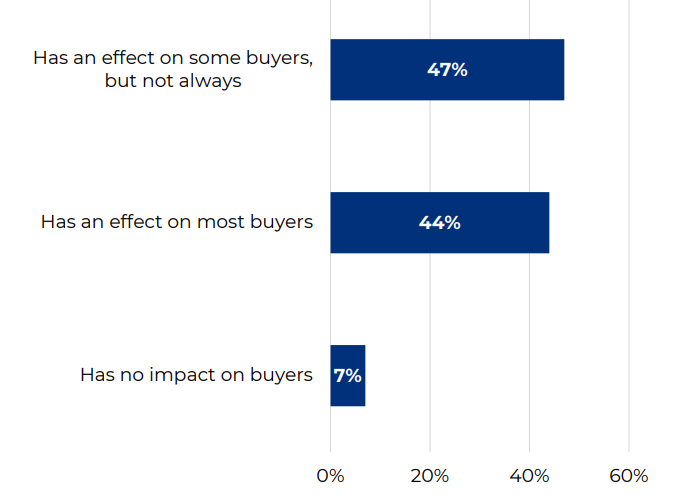
• Forty-seven percent of buyers’ agents cited that home staging had an effect on most buyers’ view of the home.
• Eighty-two percent of buyers’ agents said staging a home made it easier for a buyer to visualize the property as a future home.
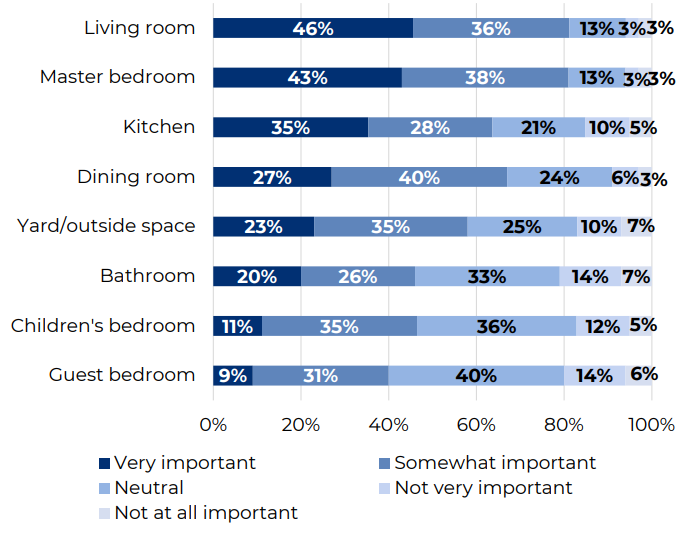
• Staging the living room was found to be very important for buyers (46 percent), followed by staging the master bedroom (43 percent), and staging the kitchen (35 percent).
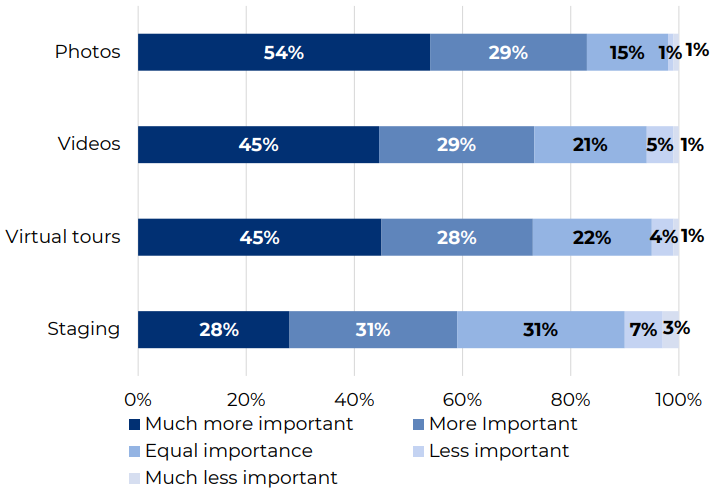
• Among buyers’ agents, having photos (83 percent), videos (74 percent), and virtual tours (73 percent) available for their listings was more important since the beginning of the COVID-19 pandemic.
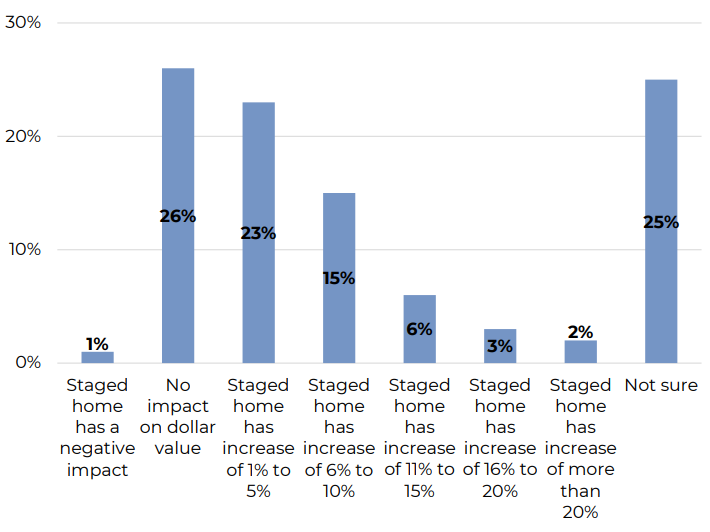
• Twenty-three percent of buyer’s agents said that staging a home increased the dollar value offered between one and five percent, compared to other similar homes on the market that are not staged.
Home Staging Effect on Buyer’s View of Home
Thirty-one percent of sellers’ agents said they staged all sellers’ homes prior to listing them for sale. Thirteen percent noted that they only staged homes that are difficult to sell.
• The most common rooms that were staged included the living room (90 percent), kitchen (80 percent), master bedroom (78 percent), and the dining room (69 percent).
• It was most common that sellers’ agents used a staging service (49 percent). Sellers’ agents also personally offered to stage the home (26 percent), and said that paying for staging was dependent on the situation (26 percent).
• The median dollar value spent when using a staging service was $1,500, compared to $300 when the sellers’ agent personally staged the home.
• When staging a home, 23 percent of sellers’ agents reported an increase of one to five percent of the dollar value offered by buyers, in comparison to similar homes.
• Twenty-two percent of sellers’ agents stated that there were slight decreases in the time on the market when the home is staged.
• Among sellers’ agents, having photos (58 percent), virtual tours (45 percent) and videos (43 percent) available for their listings was much more important since the beginning of the COVID-19 pandemic.
Buyer Expectations:
• Eighty-one percent of respondents said that buyers had ideas about where they wanted to live, and what they wanted in an
ideal home (76 percent) before starting the buying process.
• Forty percent of respondents stated that buyers typically thought the home buying process would be neither easy nor difficult.
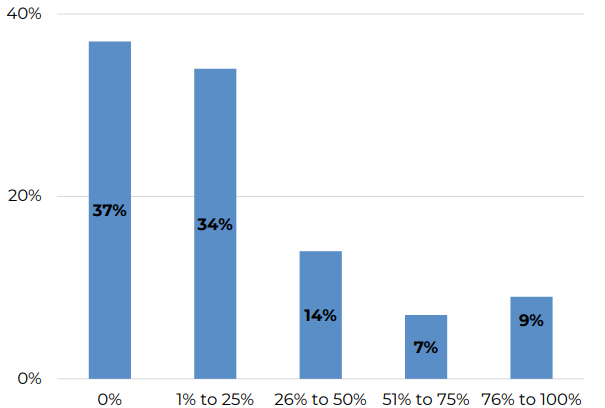
• A median of 10 percent of respondents cited that buyers felt homes should look the way they were staged on TV shows.
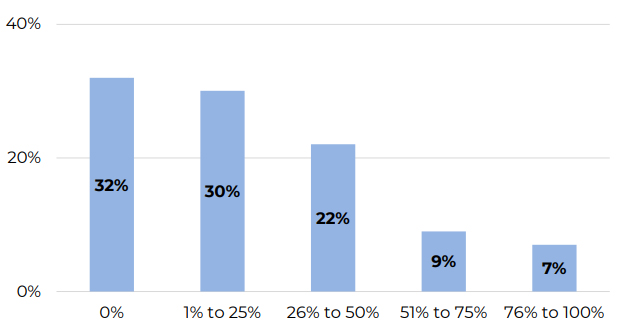
• A median of 10 percent of respondents stated that buyers were disappointed by how homes looked compared to homes they saw on TV shows.
• A median of 20 percent of respondents cited that buyers brought family members with them to view homes.
• A median of 30 percent of respondents cited that buyers consulted with family members during the buying process.
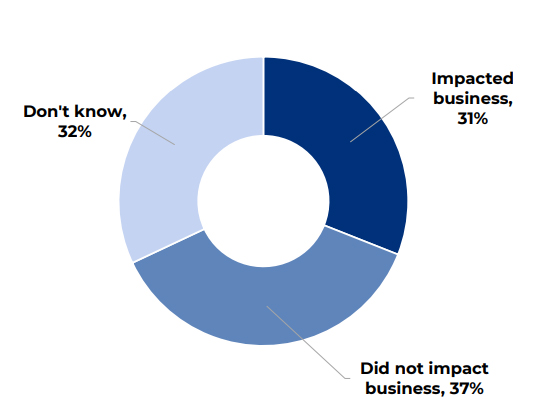
• Thirty-one percent of respondents said that TV shows which displayed the buying process impacted their business.
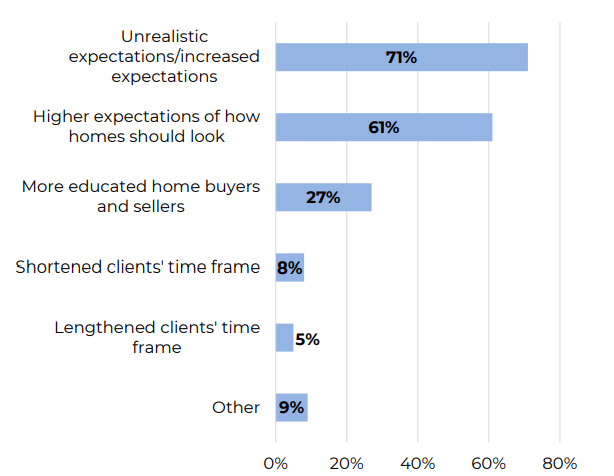
• Seventy-one percent of respondents said that TV shows which display the buying process impacted their business by setting
unrealistic expectations or increased expectations.
• In the last five years, 59 percent of respondents cited they have seen an increase in the share of buyers who planned to remodel a home. A median of 25 percent of respondents said that buyers
who plan to remodel will do so within the first three months of owning a home.
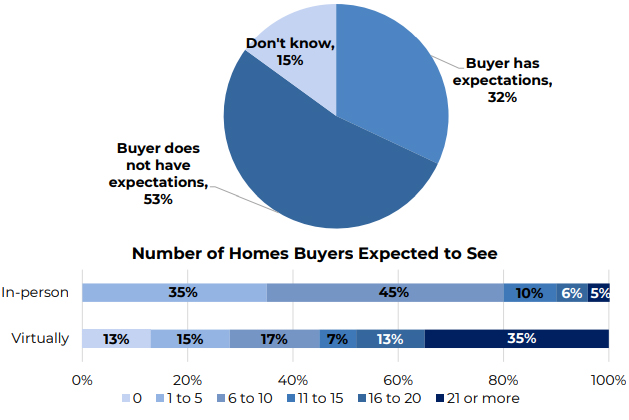
• Fifty-three percent of respondents stated that buyers typically did not have an expectation of the number of homes they would see before buying.
• Among those who did have an expectation, buyers expected to view a median of 10 homes in-person and a median of 15 homes
virtually.
• Thirty-six percent of respondents stated that buyers’ expectation of the number of homes they saw before buying matched the
market.
Home Staging: Buyer’s Agent Perspective
Home Staging Effect on Buyer’s View of Home
• Forty-seven percent of buyers’ agents cited that home
staging had an effect on most buyers’ view of the
home most of the time, but not always.
• Only seven percent of respondents said that home
staging had no effect on the buyer’s view of the home.
Effect on Buyer’s View of Home
Importance of Staged Rooms
• Staging the living room was found to be most important for
buyers (46 percent), followed by staging the master
bedroom (43 percent), and staging the kitchen (35 percent).
• Buyers’ agents cited staging the guest bedroom as the least important room, with just nine percent saying that it was very important to stage.
Importance of Rooms Staged for Buyers
Importance of Having Staging, Photos, Videos, and Virtual Tours for Listings
• Among buyers’ agents, having photos (83 percent), videos
(74 percent), and virtual tours (73 percent) available for their
listings was more important since the beginning of the COVID-19 pandemic.
• Thirty-one percent of buyers’ agents said that staging was of equal importance, and 31 percent said that staging was of
less importance since the beginning of the COVID-19 pandemic
Importance of Having Staging, Photos, Videos, and Virtual Tours for Listings
Percentage Change in Dollar Value When Home Was Staged
• Twenty-three percent of buyers’ agents said that staging a home increased the dollar value offered between one and five percent, compared to other similar homes on the market that were not staged.
• Twenty-six percent of buyers’ agents indicated that
staging a home had no impact on the dollar value that was offered.
Percent Change in Dollar Value Offer of Staged Home
Home Staging: Seller’s Agent Perspective
Staging Homes Before Listing for Sale
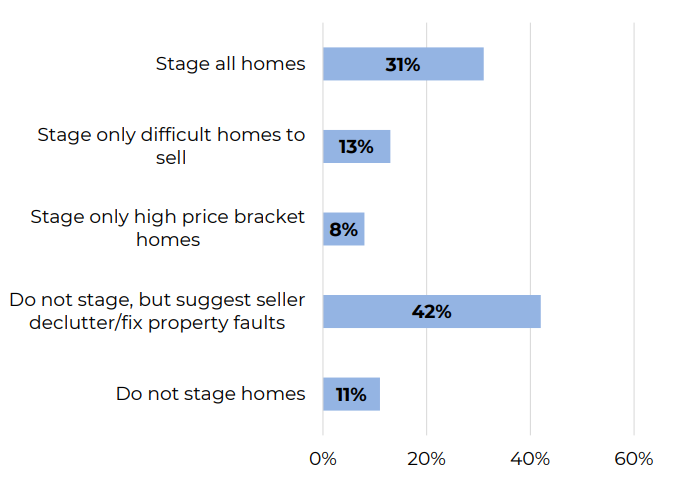
• Thirty-one percent of sellers’ agents said they staged all sellers’ homes prior to listing them for sale.
• Thirteen percent noted that they only staged homes that were difficult to sell.
• Forty-two percent of sellers’ agents stated that they did not stage homes before listing them for sale, but suggested that the seller declutter or fix property faults.
Stage Sellers' Homes Before Listing
Rooms Typically Staged When Selling
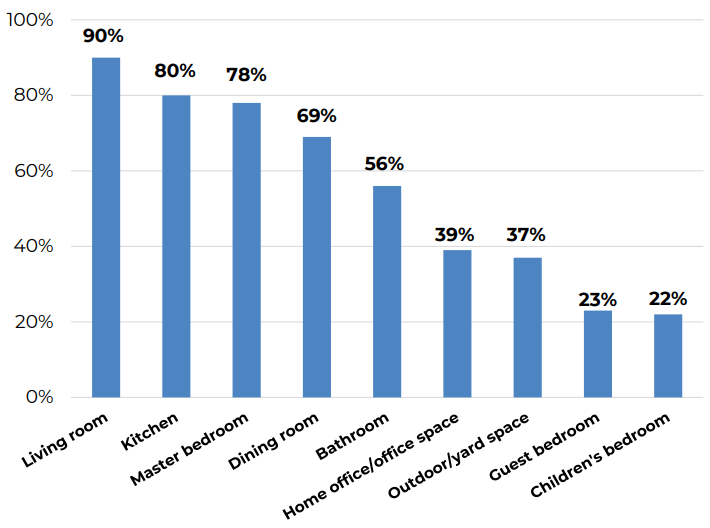
• The most common rooms that were staged included the living room (90 percent), kitchen (80 percent), master bedroom (78 percent), and the dining room (69 percent).
• Thirty-nine percent staged a home office or office space.
• The least common room to stage was children’s bedrooms, at 22 percent
Rooms Staged When Selling
Paying for Home Staging
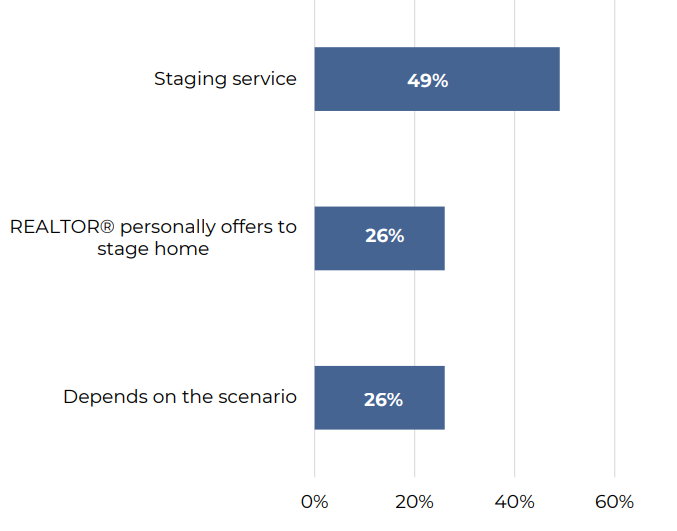
• It was most common that sellers’ agents used a staging service (49 percent). Sellers’ agents also personally offered to stage the home (26 percent), and said that paying for staging was dependent on the situation (26 percent).
• The median dollar value spent when using a staging service was $1,500, compared to $300 when the sellers’ agent personally staged the home.
Who Pays for Home Staging
Percentage Change in Dollar Value Sellers Receive
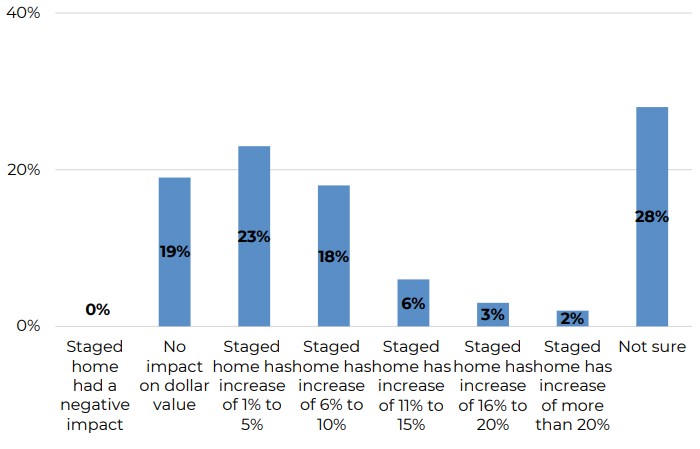
• When staging a home, 23 percent of sellers’ agents reported an increase of one percent to five percent of the dollar value offered by buyers, in comparison to similar homes.
• Eighteen percent of respondents stated that staging a home increased the dollar value of the home between six and 10 percent.
• None of the respondents reported that staging a home had a negative impact on the home’s dollar value.
Percent Change in Dollar Value Offered of Staged Home
Impact of Time on Market
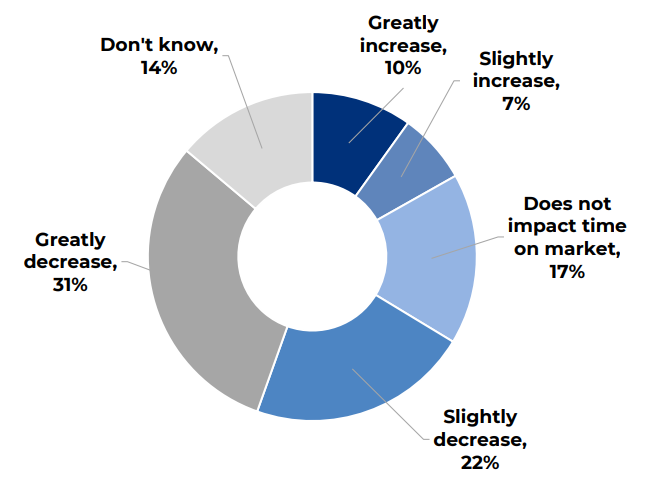
• Twenty-two percent of sellers’ agents stated that there were slight decreases in the time on market when the home was staged.
• Thirty-one percent reported that staging a home greatly decreased the amount of time the home was on the market, while 17 percent stated that staging a home did not affect the time on market.
• Only 10 percent of respondents reported that staging a home greatly increased the time a home was on the market.
Time the Home Was on the Market
Home Improvement
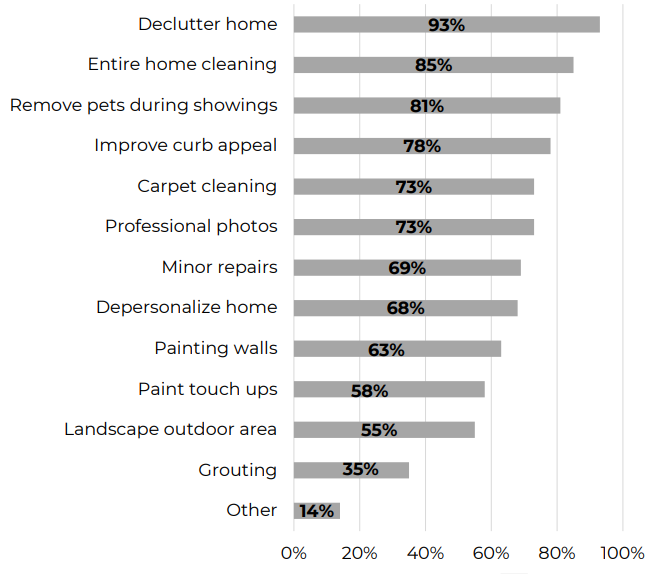
• The most common home improvement items agents recommended to sellers were decluttering the home (93 percent), entire home cleaning (85 percent), removing pets during showings (81 percent), and improving curb appeal (78 percent).
Home Improvement Items Recommended
Importance of Having Staging, Photos, Videos, and Virtual Tours for Listings
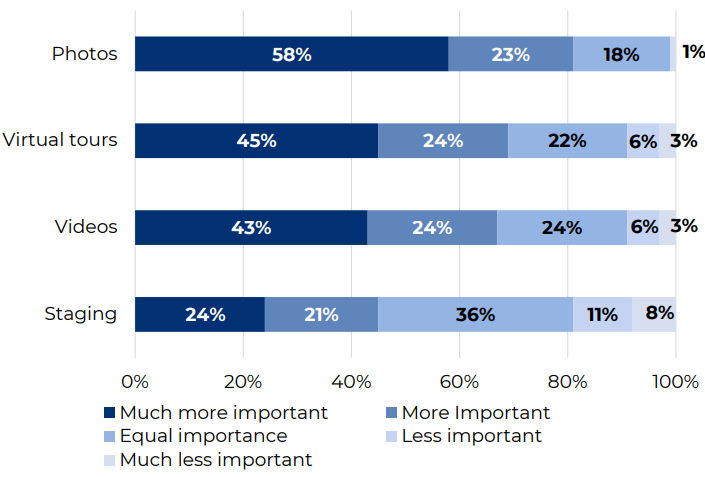
• Among sellers’ agents, having photos (81 percent), virtual tours (69 percent) and videos (67 percent) available for their listings was more important since the beginning of the COVID-19 pandemic.
• Thirty-six percent of sellers’ agents said that staging was of equal importance, and only 11 percent said that staging was of
less importance since the beginning of the COVID-19 pandemic.
Importance of Having Staging, Photos, Videos, and Virtual Tours for Listings
How TV Shows Influenced Buyers
Buyers Who Cited Homes Should Look Like They Were Staged on TV Shows
A median of 10 percent of respondents cited that buyers
believe that homes should look like they were staged on TV
shows.
• Thirty-seven percent of respondents said that buyers did not cite that homes should look like they were staged on TV
shows.
• Sixty-three percent of respondents said that buyers did cite
that homes should look like they were staged on TV shows.
Percentage of Buyers That Cited Homes Should
Look Like They Were Staged on TV Shows
Buyers Who Were Disappointed By How Homes Looked Compared to On TV Shows
A median of 10 percent of respondents stated that buyers were disappointed by how homes looked compared to homes they saw on TV shows.
• Thirty-two percent of respondents said that buyers were not disappointed by how homes looked compared to homes they saw on TV shows.
• Sixty-eight percent of respondents said that buyers were
disappointed by how homes looked compared to homes they saw on TV shows.
Percentage of Buyers Who Were Disappointed By How Homes Looked Compared to On TV Shows
TV Shows Displaying the Buying Process’ Impact On Business
Thirty-one percent of respondents said that TV shows which
display the buying process impacted their business.
• Thirty-seven percent of respondents said that TV shows which display the buying process did not impact their business.
TV Shows Displaying the Buying Process’ Impact On Business
Buyers Who Were Disappointed By How Homes Looked Compared to On TV Shows
A median of 10 percent of respondents stated that buyers were disappointed by how homes looked compared to homes they saw on TV shows.
• Thirty-two percent of respondents said that buyers were not disappointed by how homes looked compared to homes they saw on TV shows.
• Sixty-eight percent of respondents said that buyers were
disappointed by how homes looked compared to homes they saw on TV shows.
Percentage of Buyers Who Were Disappointed By How Homes Looked Compared to On TV Shows
How TV Shows Displaying the Buying Process Have Impacted Business
Seventy-one percent of respondents said that TV shows which display the buying process impacted their business by setting unrealistic expectations or increased expectations.
• Sixty-one percent of respondents said that TV shows set higher expectations of how homes should look, and 27 percent said that TV shows result in more educated home buyers and home sellers.
How TV Shows Have Impacted Business
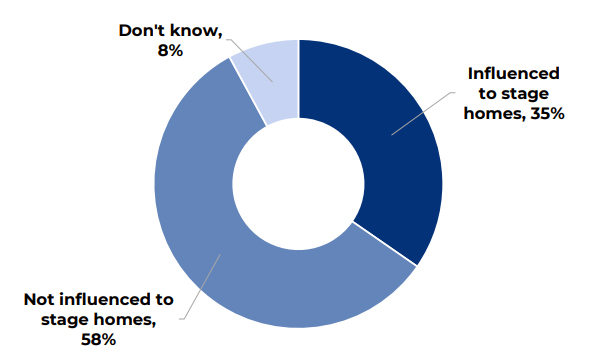
Influenced to Stage Homes As Shown on TV
Fifty-eight percent of respondents stated that they were
not influenced to stage homes as they would see them on
TV.
• Thirty-five percent of respondents stated that they were
influenced to stage homes as they would see them on TV.
Influenced to Stage Homes As They Were Shown on TV
Buyer Expectations
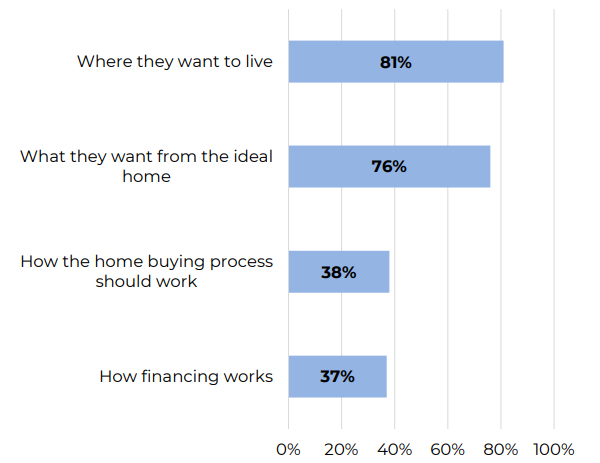
Buyer Had Ideas Before the Home Buying Process
Eight-one percent of respondents said that buyers had ideas
about where they wanted to live, and what they wanted in an
ideal home (76 percent) before starting the buying process.
• Respondents stated that typically buyers were less sure about how the home buying process should work (38 percent), and how financing worked prior to starting the home buying process (37 percent).
Buyer Has Ideas Before the Buying Process
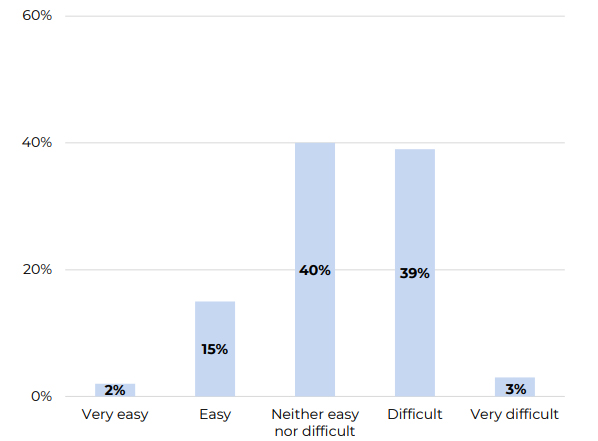
How Easy or Difficult Buyers Thought the Home Buying Process Would Be
Forty percent of respondents stated that buyers typically
thought the home buying process would be neither easy nor
difficult.
• Thirty-nine percent said that buyers thought that the home
buying process would be difficult.
How Easy or Difficult Buyers Thought the Home Buying Process Would Be
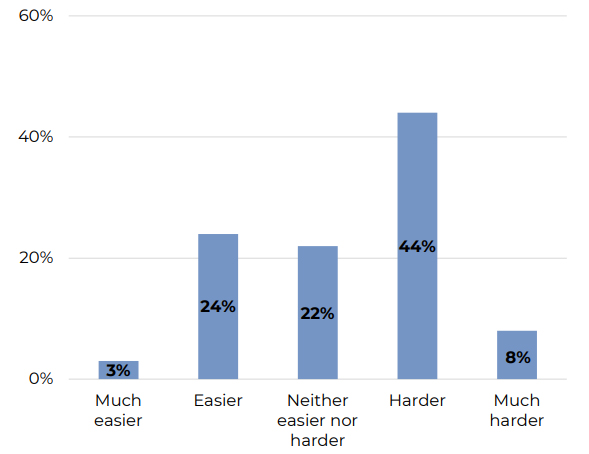
How the Home Buying Process Compared to Expectations
Forty-four percent of respondents stated that buyers found the home buying process to be harder compared to their
expectations.
• Twenty-four percent said that buyers found the home buying process to be easier compared to their expectations.
How the Home Buying Process Compared to Expectations
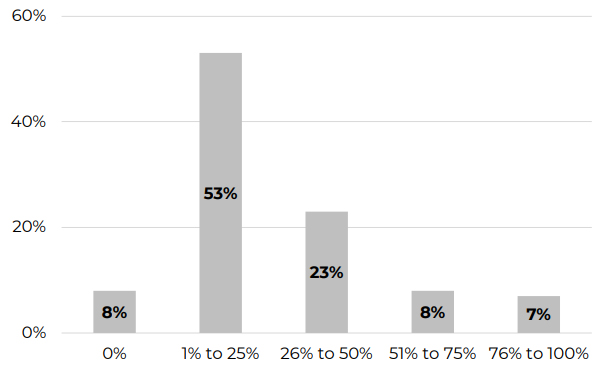
Buyers Who Brought Family Members With Them to View Homes
A median of 20 percent of respondents said that buyers
brought family members, who were not purchasing the home, with them to view homes.
• Ninety-two percent of respondents said that buyers brought family members, who were not purchasing the home, with them to view homes.
• Only eight percent of respondents said that no buyers brought family members with them to view homes.
Buyers Who Brought Family Members With Them to View Homes
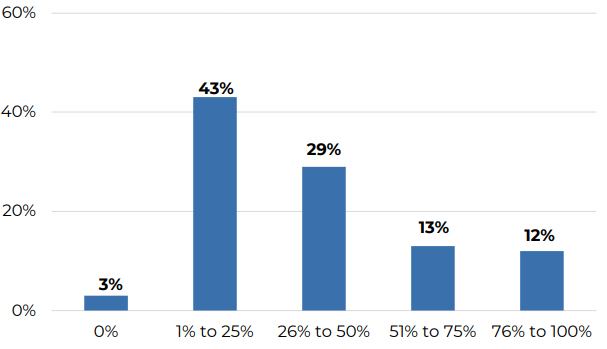
Buyers Who Consulted Family Members During The Buying Process
A median of 30 percent of respondents said that buyers consulted with family members during the buying process, though they would not live in the home.
• Ninety-seven percent of respondents said that buyers consulted with family members during the buying process, though they would not live in the home.
• Only three percent of respondents said that no buyers consulted with family members.
Buyers Who Consulted With Family Members In The Buying Process
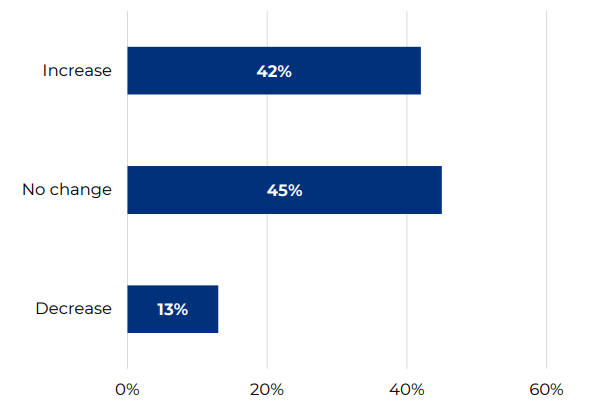
Change in Share of Buyers Who Planned to Flip a Home
In the last five years, 45 percent of respondents cited they have seen no change in the share of buyers who planned to flip a home.
• Forty-two percent of respondents cited they have seen an
increase in the share of buyers who planned to flip a home.
Change in Share of Buyers Who Planned to Flip a Home in the Last Five Years
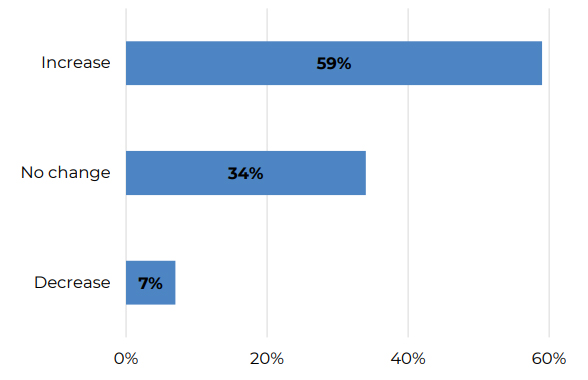
Change in Share of Buyers Who Planned to Remodel Home
In the last five years, 59 percent of respondents cited they have seen an increase in the share of buyers who planned to remodel a home.
• Thirty-four percent of respondents cited they have seen no
change in the share of buyers who planned to remodel a home.
• A median of 25 percent of respondents said that buyers who plan to remodel will do so within the first three months of owning a home.
Change in Share of Buyers Who Planned to Remodel a Home in the Last Five Years
Buyer Expectation of the Number of Homes Buyer Would See Before Buying
Fifty-three percent of respondents stated that buyers typically did not have an expectation of the number of homes they would see before buying.
• Thirty-two percent of respondents stated that buyers did have an expectation of the number of homes they would see.
• Among those who did have an expectation, buyers expected to view a median of 10 homes in-person and a median of 15 homes virtually.
• Forty-five percent of respondents cited that buyers expected to view between six to 10 homes in-person.
Buyer Expectation of the Number of Homes They Would See Before Buying
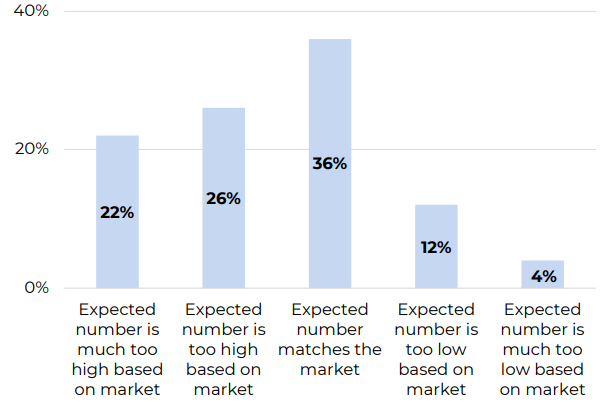
Expectation of the Number of Homes Matched Market
Thirty-six percent of respondents stated that buyers’
expectation of the number of homes they would see before
buying matched the market.
• Twenty-six percent of respondents stated that buyers’
expectation of the number of homes they would see before
buying was too high based on the market.
• Only four percent of respondents stated that the expected
number of homes was much too low based on the market.
Impact of Buyers Viewing a Staged Home